We use cookies to make your experience better. To comply with the new e-Privacy directive, we need to ask for your consent to set the cookies. Learn more.

Use Cases
When does the Beauty & Care industry need datasets to boost business outcomes?
on
January 22, 2026
The beauty and personal care industry is one of the most fast-moving and trend-sensitive markets in the world. With millions of products on the shelves and new trends emerging almost daily, the landscape is constantly shifting.
One week, everyone is obsessed with hair oiling rituals; the next, it’s infrared LED face masks, flavored lip balms, or makeup inspired by latte and strawberry tones. By the time you’ve caught up with one craze, another is already taking over.
This constant cycle of micro-trends makes the market both highly competitive and full of opportunity — but success depends on making decisions based on data, not guesswork.
Whether you’re a local cosmetics chain or a global powerhouse like Sephora, leveraging high-quality datasets such as a beauty products dataset or cosmetic dataset helps you stay ahead of the curve, anticipate demand, and spot opportunities before your competitors do.
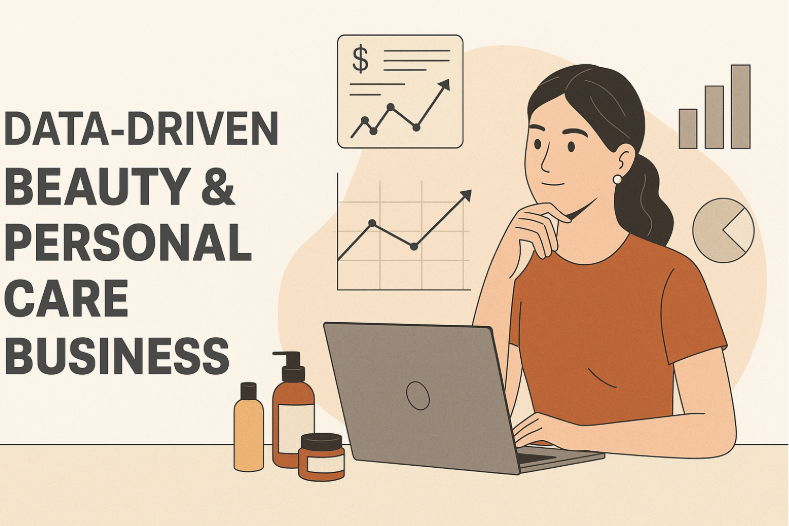
Why does data matter in Beauty & Care?
In such a highly competitive, trend-sensitive market, relying on intuition alone can be risky. Beauty is emotional, but business decisions need to be rational — and datasets bridge that gap.
What are the key use cases for Beauty & Care datasets?
1. Compare prices of competitors
Knowing your competitors’ pricing in real time allows you to adjust your strategy proactively.
- Identify when to run promotions without hurting margins.
- Detect underpriced or overpriced product categories.
- Spot opportunities in premium or budget segments.
Example: You notice a competitor drops the price of a bestselling lipstick by 15% ahead of Valentine’s Day. Using data, you match the promotion — but only for your top-selling shades — protecting your profit margins while staying competitive.
2. Analyze product popularity
- Track which products, brands, or categories are gaining traction.
- Follow seasonal trends like holiday gift sets or summer skincare.
- Identify long-term shifts such as the rise of clean beauty or refillable packaging.
- Understand whether a product’s popularity is local, regional, or global.
Example: Dataset analysis shows a surge in sales for products containing “bakuchiol” (a plant-based retinol alternative). You expand your skincare aisle with bakuchiol serums before competitors catch on.
3. Analyze products before launch
Before adding a product to your lineup, validate it with data.
- Check if the target audience matches your existing customer base.
- Assess whether the pricing fits your product range.
- Understand market demand in your target region.
Example: You’re considering adding Rhode Cosmetics to your stores. Data shows its core audience overlaps 70% with your current customers and pricing is in line with your mid-premium segment — confirming it’s worth the investment.
4. Entering a market without official brand presence
Launching a brand where it has no official distribution can be profitable — but risky.
- Gauge brand awareness and online demand before investing.
- Identify local influencers or niche trends that could drive sales.
- Predict potential regulatory or supply challenges.
Example: In Eastern Europe, there’s no official Glossier store. Data shows high online search interest for its “Boy Brow” product. You start importing small batches via authorized channels to test the market.
5. Launching your own product line
When creating your own product, datasets can guide decisions.
- Avoid oversaturated categories.
- Detect growing product niches before they peak.
- Benchmark against top sellers to define features, price, and packaging.
Example: You plan a makeup range, but data shows the market is saturated with eyeshadow palettes, while cream blush sticks are trending. You pivot to blush sticks and launch them in shades most requested in beauty forums.
6. Spotting trends for innovation
Datasets reveal micro-trends before they go mainstream.
- Identify ingredients gaining hype on social media.
- Track sudden jumps in interest for product formats or packaging.
- Catch lifestyle-driven shifts (e.g., sun protection in everyday makeup).
Example: Social media mentions of “SPF in makeup” jump 40% in three months. You launch a BB cream with SPF50 before major competitors release similar products.
7. Inventory forecasting & Demand planning
Overstocking ties up capital, understocking loses sales — datasets help find the sweet spot.
- Track historical sales patterns.
- Predict seasonal demand spikes and dips.
- Adjust orders based on upcoming product launches and trend cycles.
Example: Data shows that sheet mask sales jump by 30% during winter months in your market. You boost orders ahead of the cold season to meet demand without overstocking.
How can Datasets.store support your Beauty & Care analysis?
Datasets.store provides ready-made ecommerce product datasets that you can integrate directly into your analytics workflow, including an amazon beauty products dataset and other category-specific options such as a makeup dataset or amazon cosmetic dataset.
The datasets include:
- Detailed product listings with pricing, availability, ratings, and reviews
- Sales rank and market movement signals over time
- Review-based insights that support sentiment analysis and product positioning
You can choose and purchase a beauty products dataset from our available catalog. If you prefer a more focused scope, you can select a specific subcategory to support targeted research and analysis or obtain the full category dataset (2,086,972 records) for broader market coverage. Both options come with flexible update schedules, including monthly, quarterly, and bi-annual refreshes.
Conclusion: How do you turn beauty data into growth?
In the beauty and care industry, data isn’t just an advantage — it’s a necessity. By analyzing competitors, tracking trends, validating launches, and identifying gaps, you can position your business to not only survive but thrive in this ever-changing market.
Those who master data-driven strategy will lead the next wave of beauty innovation.
To see the full list of available datasets, visit the Amazon beauty products dataset page.
Related Datasets
Comments
Recent Posts